Skip to content
Interpreting minds, natural and artificial

Far apart. Possibly akin.

Far Akin Research Labs studies how minds, natural and artificial, learn, represent, remember, perceive and act, and how far they are akin. A model's hidden state and a person's inner life are both known only from outside. The lab's programme is to read both under one standard of evidence, so that a claim that a model and a mind are alike can be tested rather than asserted.

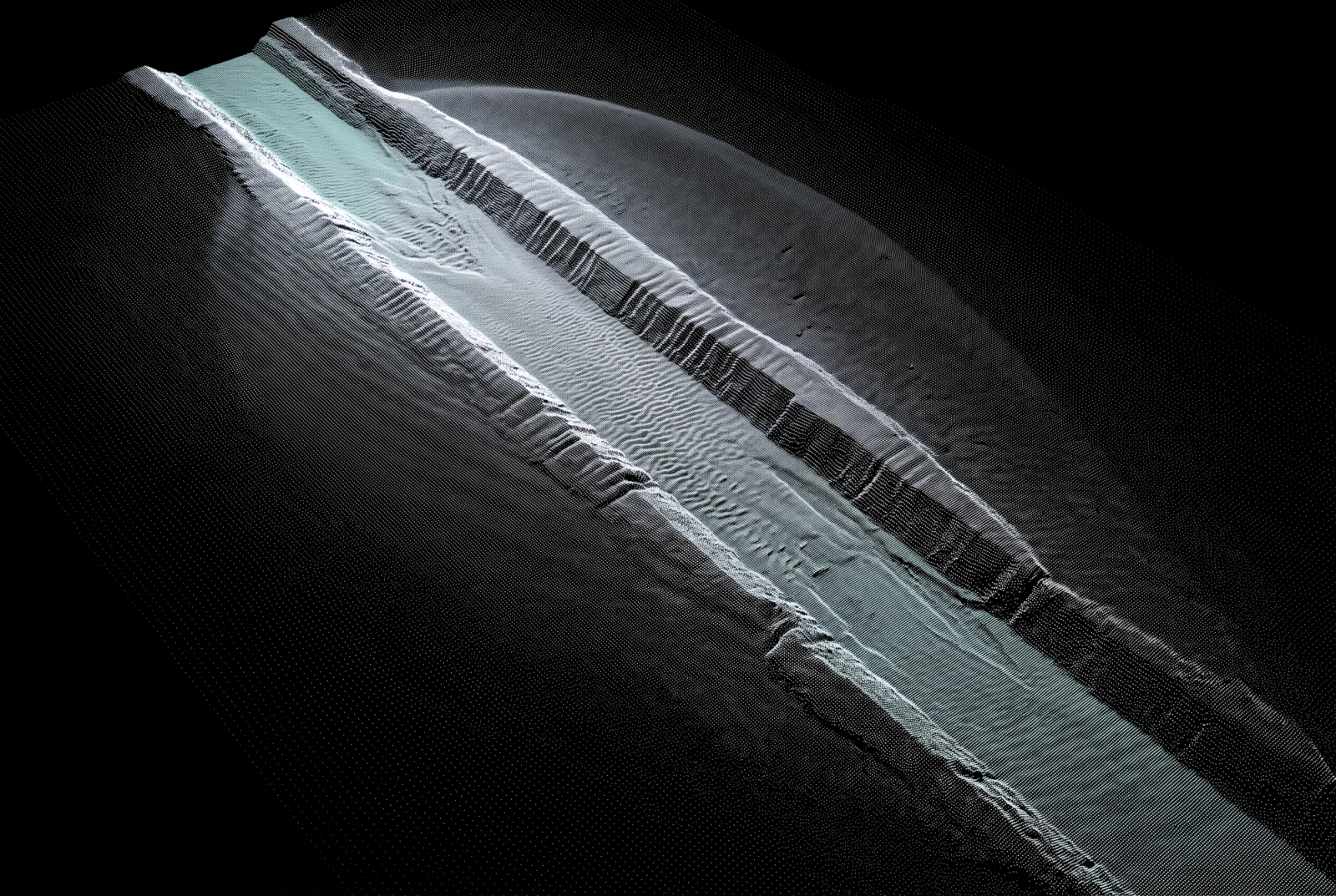
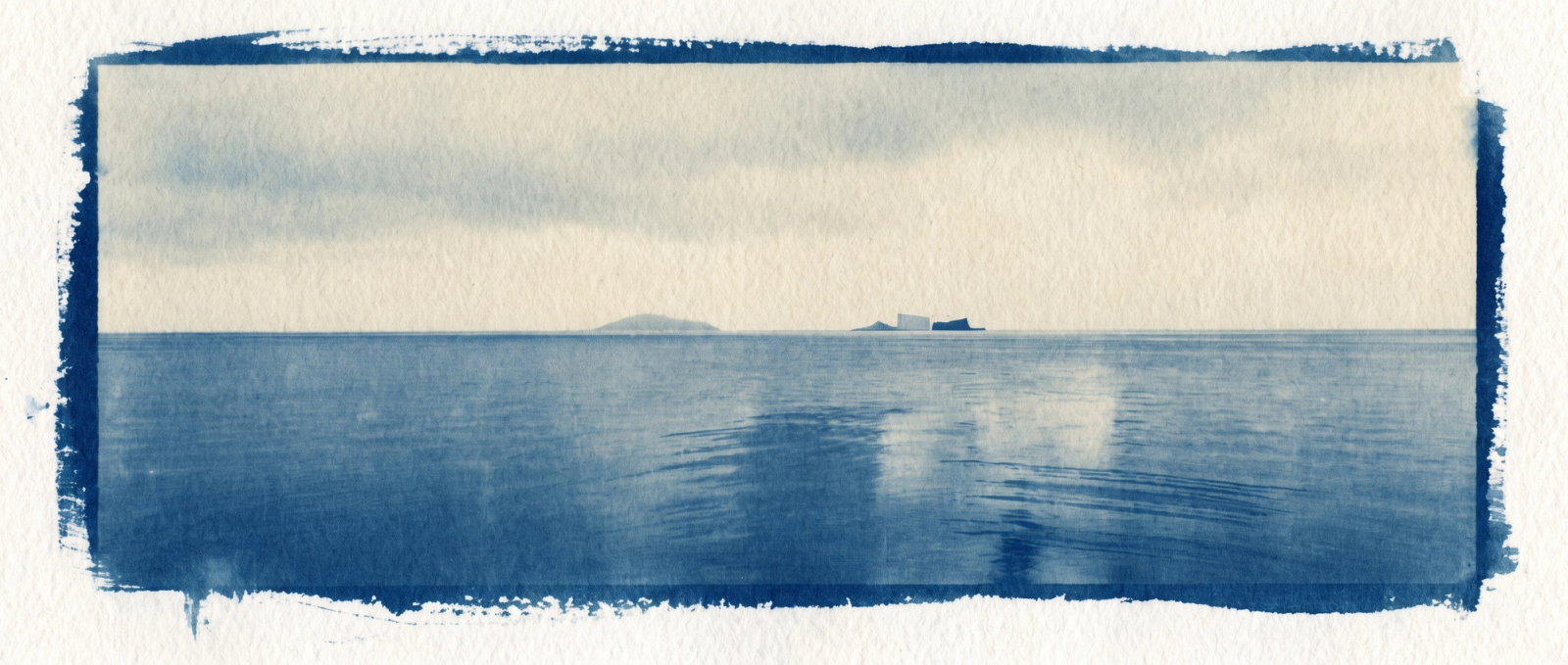
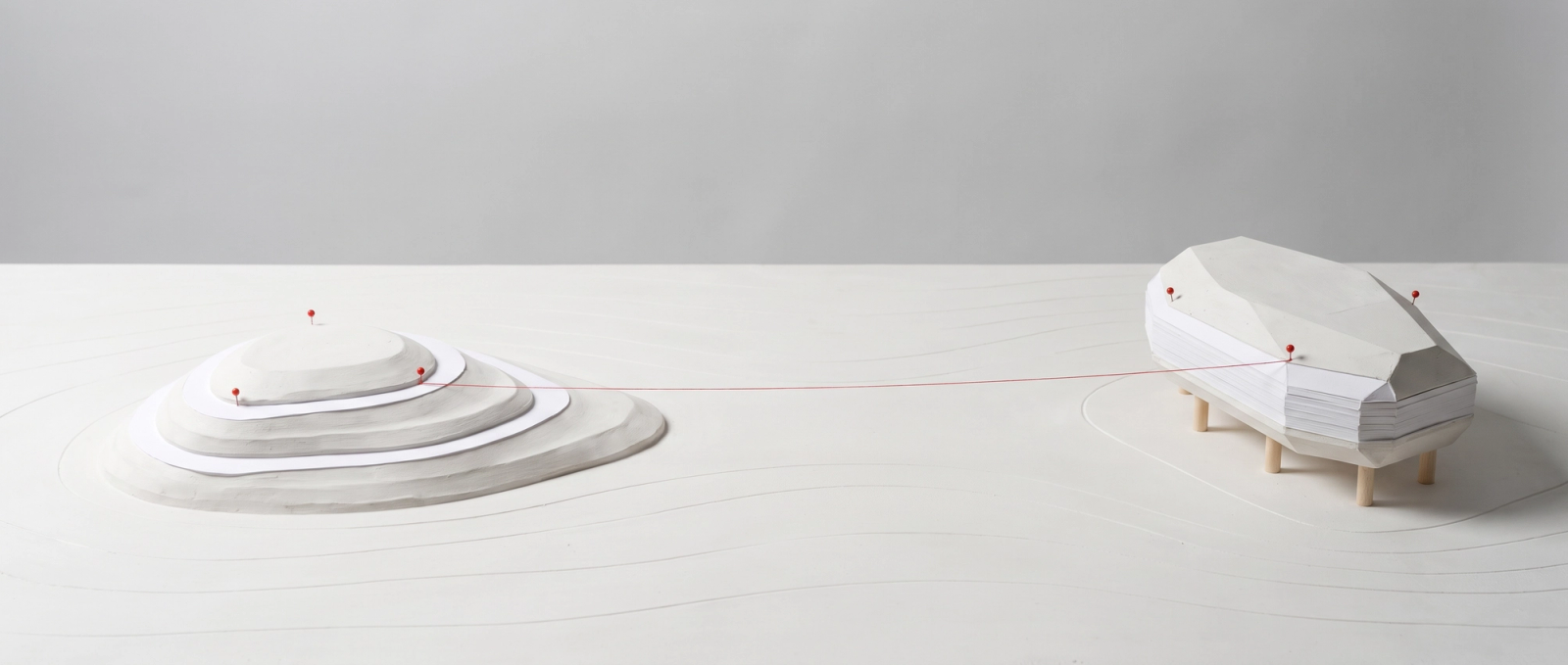
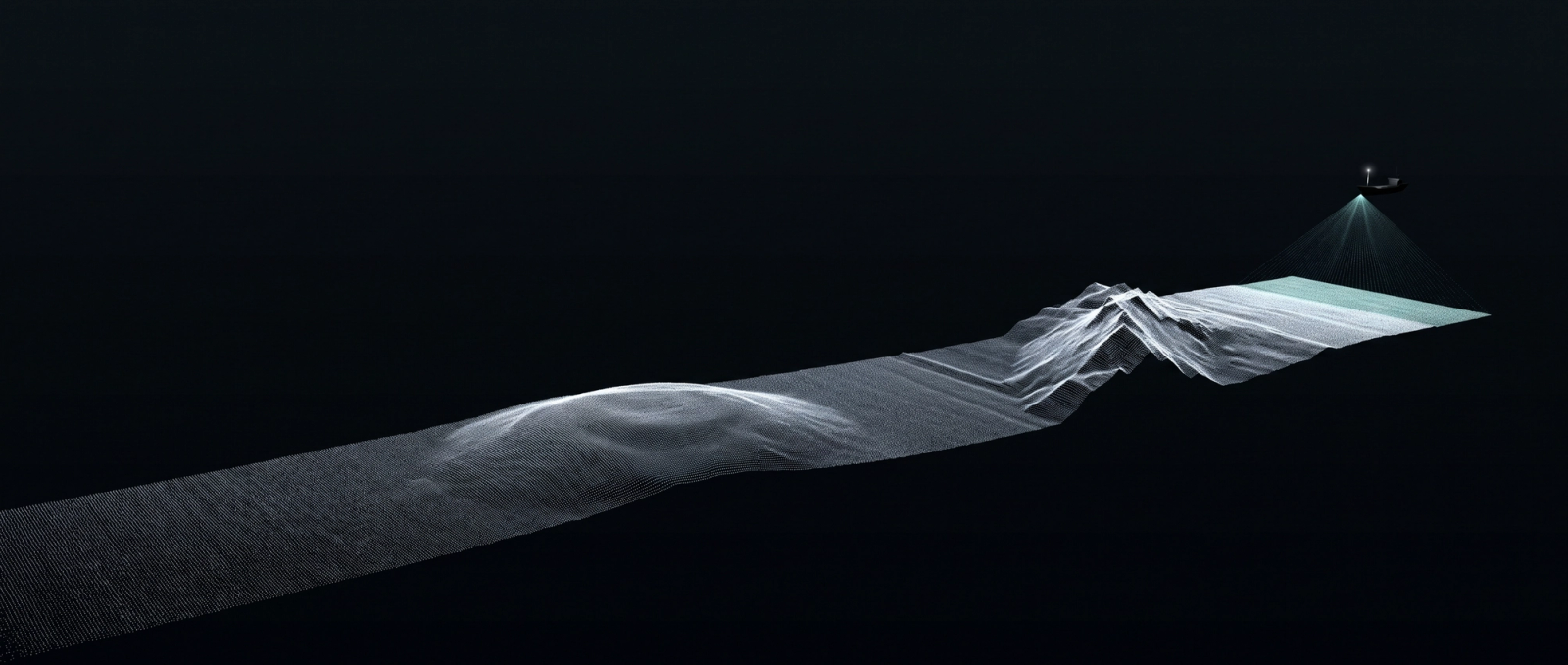
Generated cyanotype print of a calm sea under a pale sky, with two small islands far apart on the horizon: one low and rounded, one angular.Generated photograph of two white plaster forms far apart on one long plaster sea, one rounded and one faceted, with vermilion pins on matching points and a vermilion thread stretched between them.Generated night-survey render: a lit strip of mapped seabed crosses a black frame, carrying a rounded mound and a faceted ridge far apart, with a small ship's light at the strip's far end.
Plate ITwo islands on one horizon: unlike forms, one shared line, and a relation still to be measured.Two unlike forms on one sea. Matching points are pinned, and the thread between them is the measurement.One survey line, two unlike forms. Only the strip the ship has measured is lit.Generated image in a cyanotype treatment. Far Akin art direction.Generated image. Far Akin art direction, Datum look.Generated image. Far Akin art direction, Swath look.
Premise

Interiors known from outside

A model's hidden state and a person's inner life share one condition: neither can be read directly for what it holds. Every activation in a model can be recorded, yet what the activations represent is not written on them. Each is known from outside, through what it does, what can be decoded from it and what changes when it is disturbed.

That shared condition is where the lab starts. The same questions recur on both sides: what is represented, what is held steady, what is remembered and what is only reported. A method built for one kind of system can sometimes be carried to the other: the cybernetician's disturbance, the psychometrician's test-retest check, the interpretability researcher's probe.

Resemblance is tested, never assumed. Behaviour that looks human, or a feature that can be decoded from a model, is not evidence of a shared mechanism or of experience. Where a resemblance holds, the work is to show it. Where it breaks, the break is a result.

A probe reads a model the way a sounding reads a seabed: exactly where it touches, by inference everywhere else. The figure shows the seabed half of that comparison.

Hidden seabed

Hidden. Reveal it to compare with the chart.

Chart from soundings

6 soundings · average error against the hidden seabed: 5.6 m

Select a point on the chart, or focus the chart and move with the arrow keys, then press Enter to sound there. Contour lines mark every 10 metres.

How the figure works

How the figure works: the hidden seabed is a fixed surface of six smooth rises and hollows on a 48 by 28 grid. Each sounding reads the exact depth at one point. The chart fills every other point by inverse-distance weighting, each sounding weighted by one over its squared distance. The figure opens with six soundings; Start again clears them all. The error is the mean absolute difference between chart and seabed over all grid points. It illustrates inference from sparse measurement, and models neither a network nor a mind.

Figure 1Soundings. A hidden seabed is charted only from point measurements. Take soundings, then reveal the seabed: the chart looks complete everywhere and can be trusted only near the places that were measured.
Read the note on soundings
Research

Four research programmes

Each programme follows one long-horizon question about how minds and models come to hold what they hold. Its inquiries are the current steps on that question. The research page shows the wider map of subjects and lenses behind them.

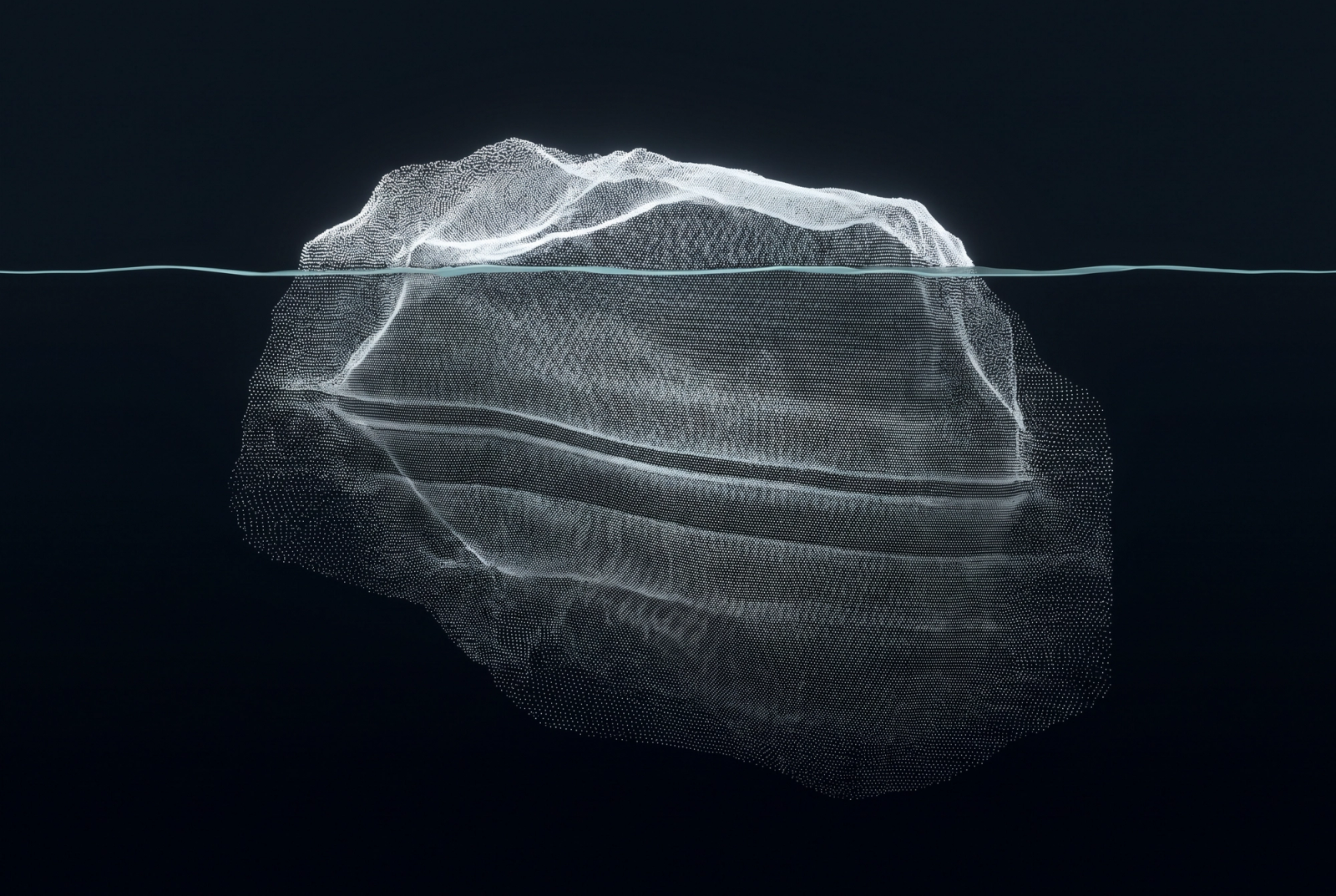
  • Generated cyanotype print of a nautilus shell cut cleanly in half, showing its spiral of sealed chambers.Generated photograph of a white sectional model of a three-storey house showing its rooms, with vermilion beads on small objects in three rooms.Generated render of an iceberg in cross-section, its small cap above the waterline and its large hidden body below.

    Representation and memory

    What does a model hold, which of it does it use and report, and how does what it holds stay correct as the facts it rests on change?

    Minds and models carry internal state and stored knowledge that decide their behaviour but cannot be read directly. This programme asks what can be read from outside, which readings reflect what a system uses, and how a memory can be revised and checked as the world changes.
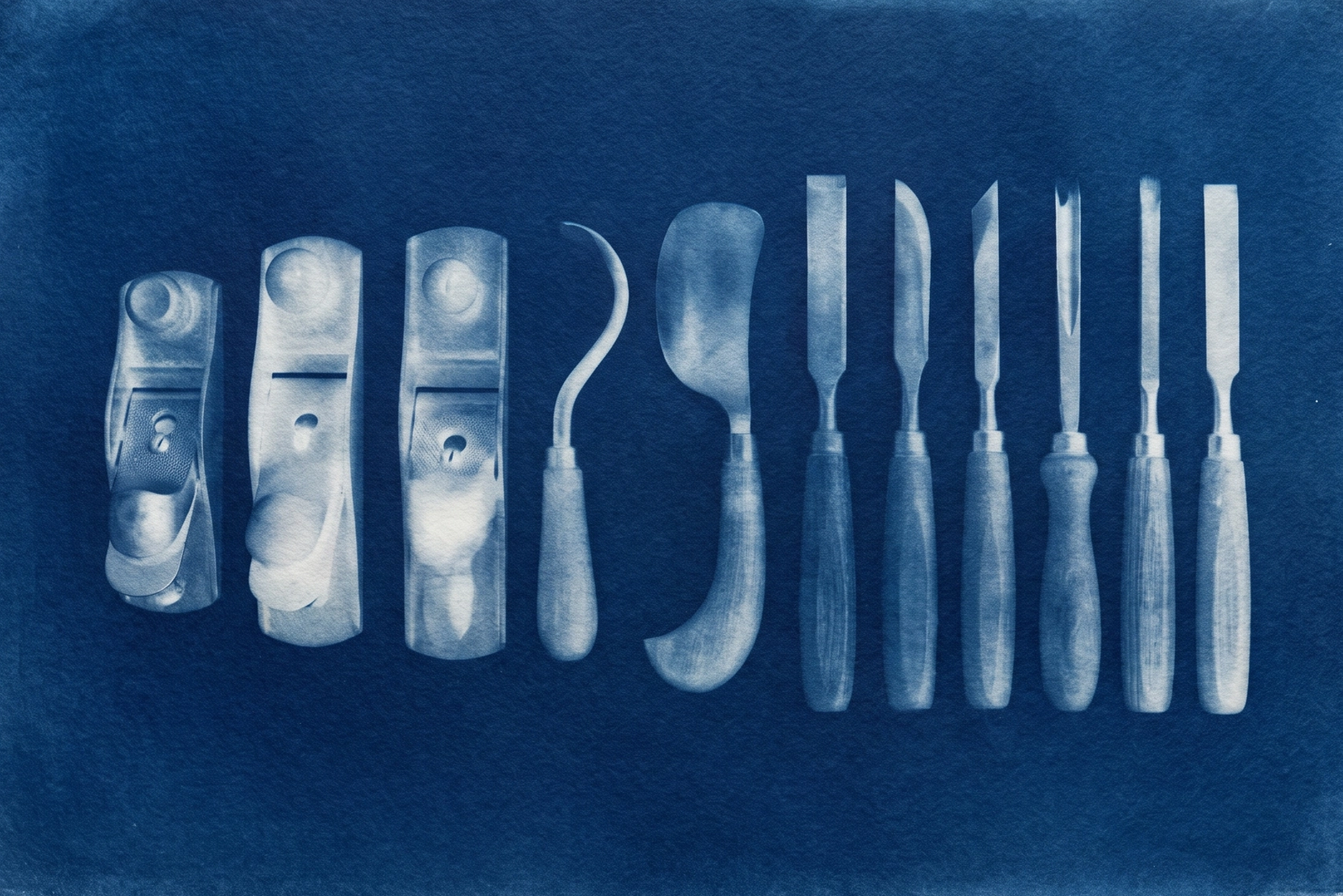
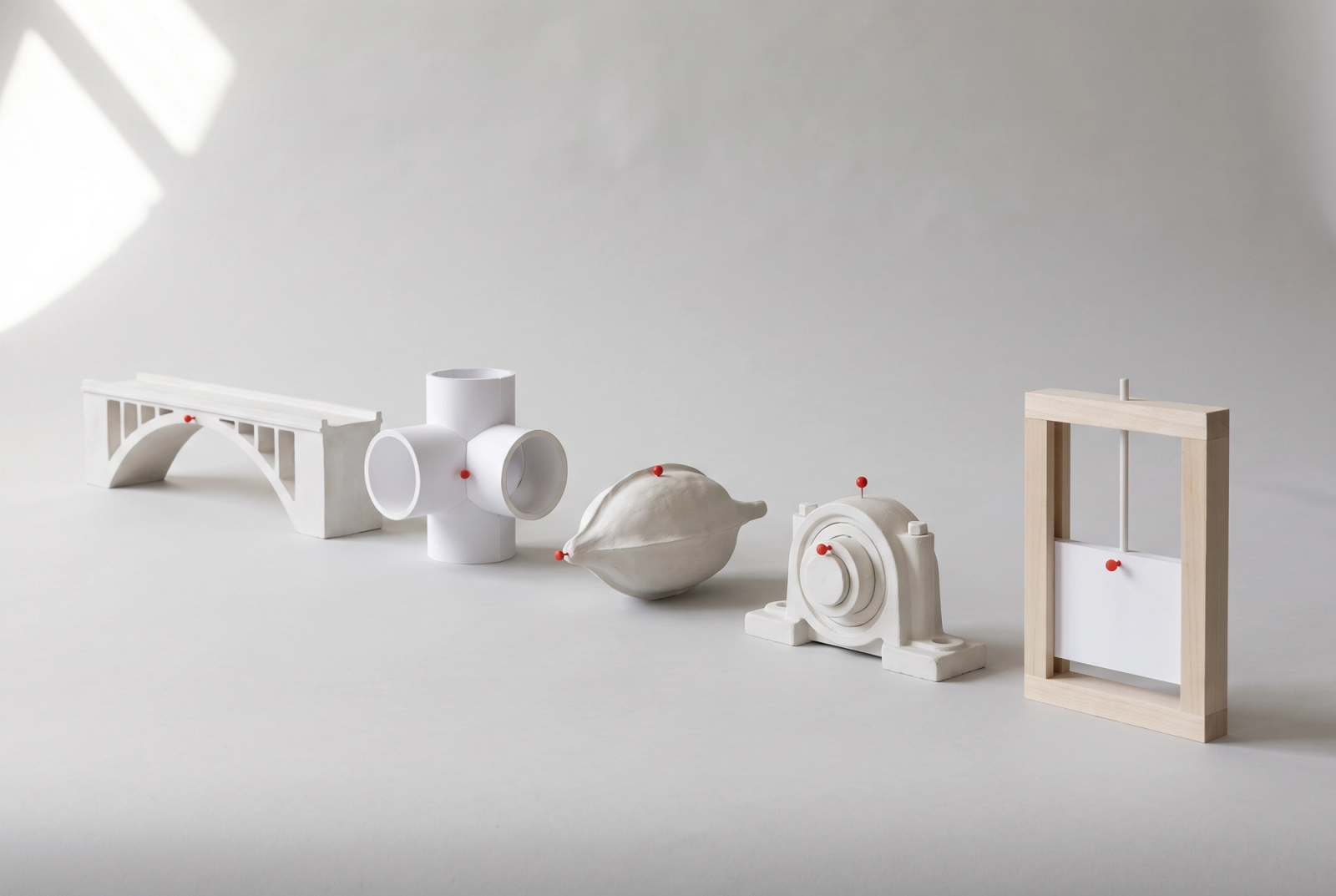
  • Generated cyanotype print of a row of small woodworking planes and carving tools, each shaped for one task.Generated photograph of five different small white plaster models in a row (a bridge, a pipe junction, a seed pod, a bearing, a sluice gate), each with one vermilion pin.Generated render of a narrow dredged channel through a shoal, mapped in fine detail while its surroundings fade to black.

    Where knowledge lives

    Where should what a model knows live, in its weights, in a store it consults or in checks on its output, and when does a small specialist judge better than a general model given the same knowledge?

    Much real work needs consistent judgement inside one domain, under that domain's own rules. This programme asks where specialised knowledge should live, in weights, in retrieval or in validators, and what a small specialist must show before it is worth building.

    Inquiries in this programme
  • Generated cyanotype print of a round glass terrarium holding a small landscape of moss, ferns, stones and a pool, with condensation on the inside of the glass.Generated photograph of a white plaster valley-and-town model with a vermilion pinned path; at the right edge the model gives way to bare plaster and wooden armature.Generated render of a squall over open water made of points, with two diverging paths drifting away from it.

    Worlds and action

    What does an agent hold steady, and what must a learned model of its world keep consistent, under action and over time, before its predictions can stand in for that world?

    World models learn to predict what follows from an action, and they are now used to train agents and to judge policies. This programme asks what such a model must hold constant to be trusted, and what an agent defends when it is disturbed.

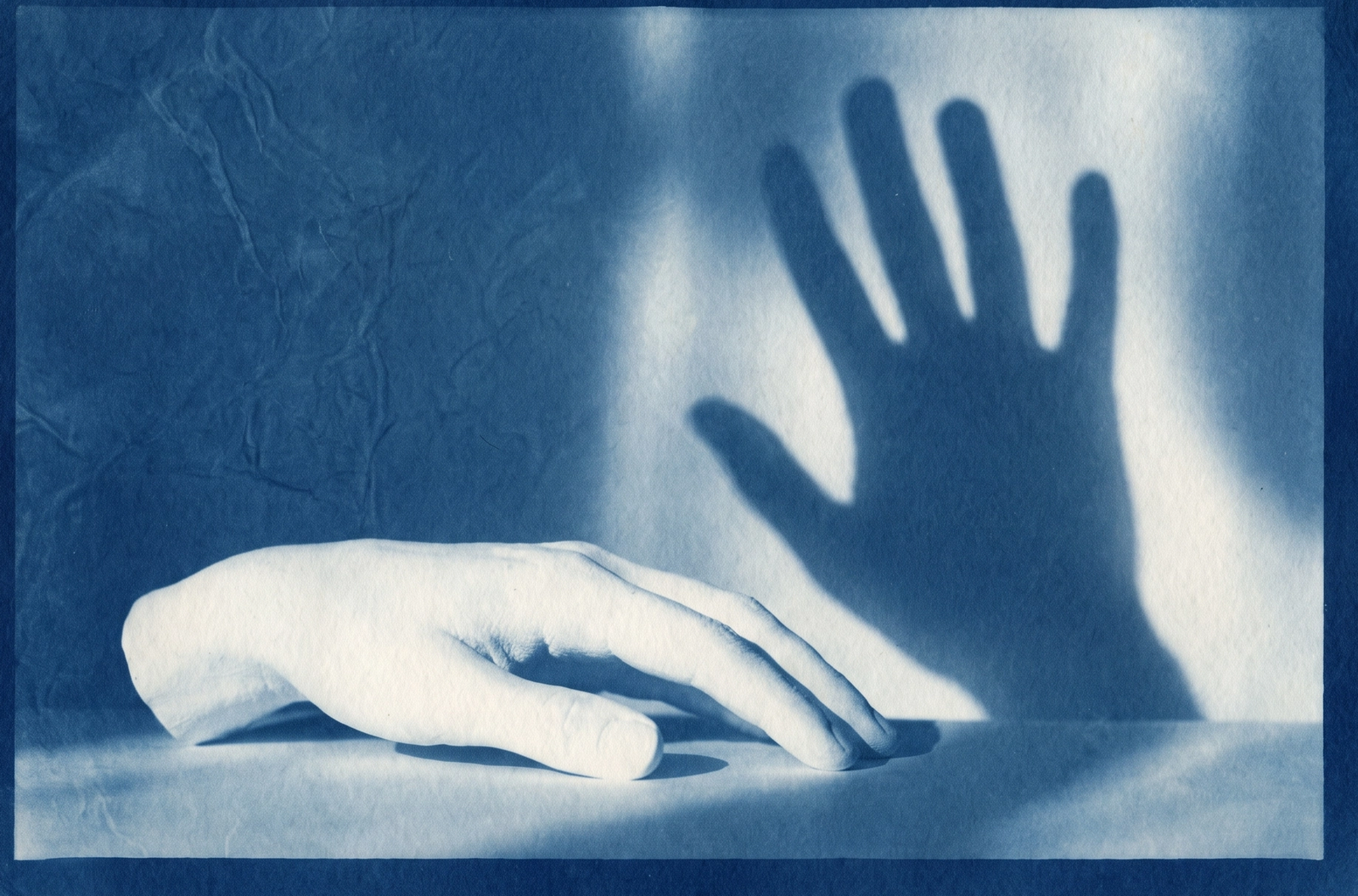
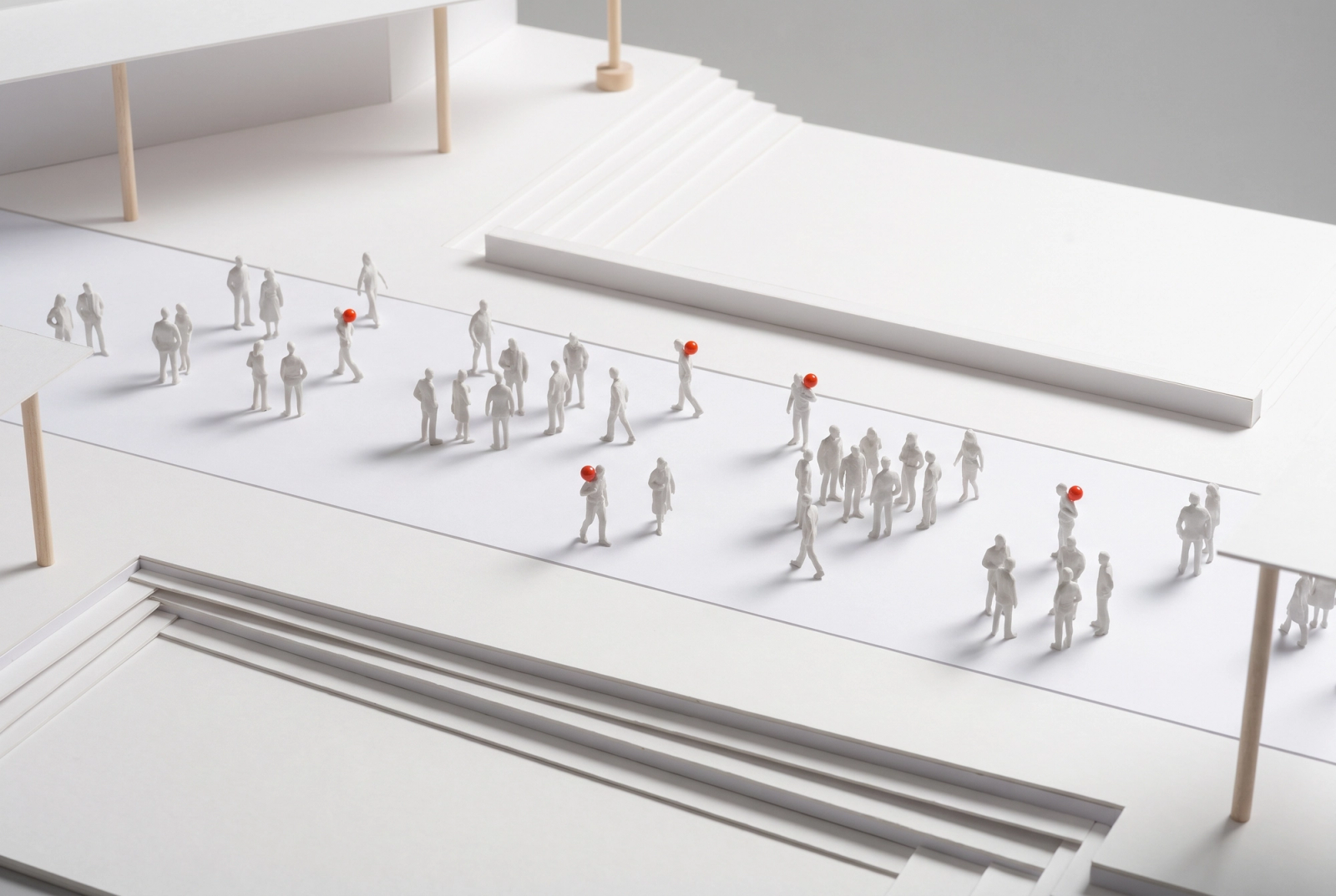
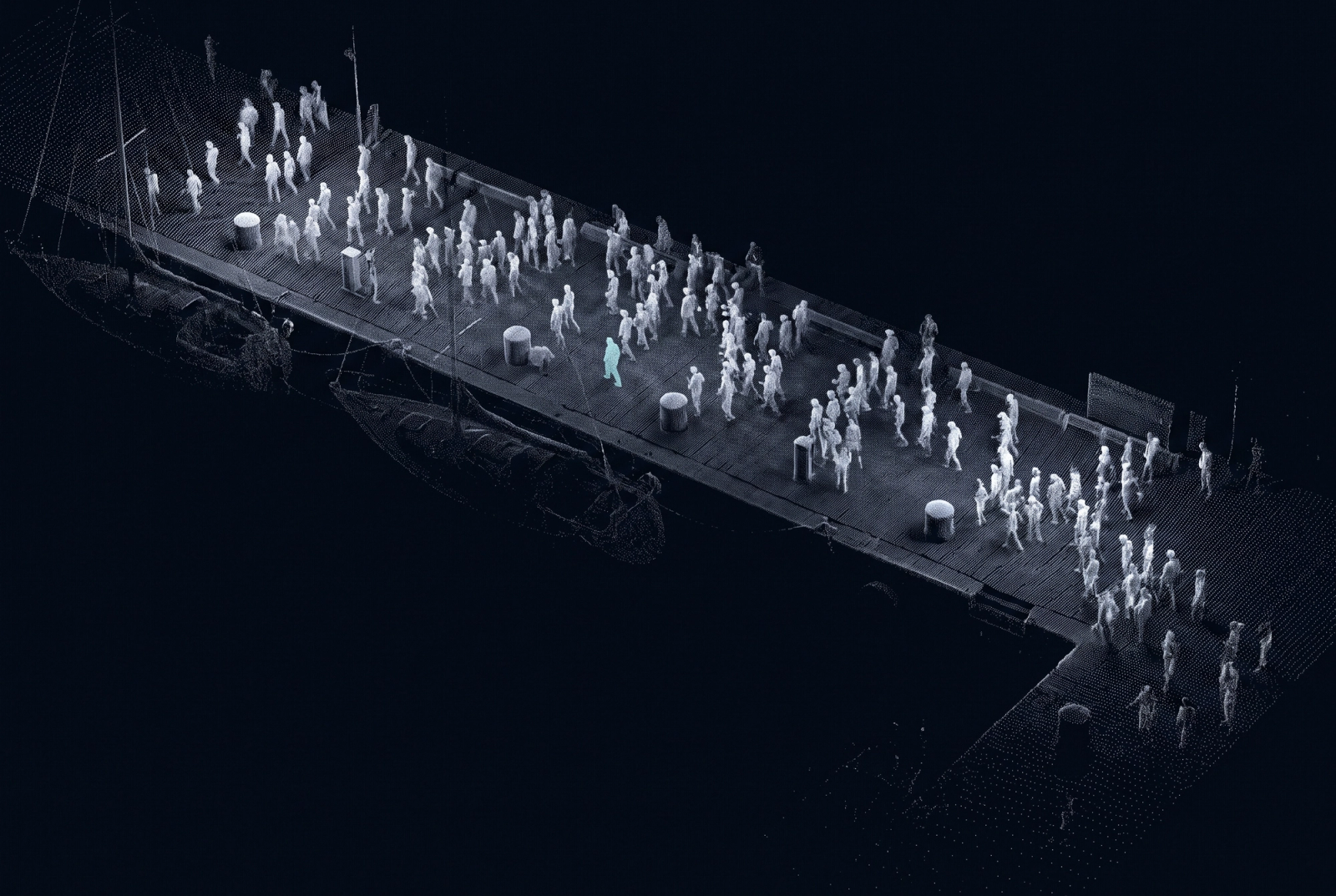
  • Generated cyanotype print of a plaster cast of a hand resting on a table, with the shadow of a living hand raised behind it.Generated photograph of about forty faceless white plaster model figures on a white plaza; five, in different groups, carry a vermilion bead on the shoulder.Generated render of a crowd on a harbour quay drawn as a point cloud, with one figure picked out in a paler colour.

    Models of people

    When a language model stands in for a person or a population, which parts of its answers are evidence about people and which are artefacts of the model, the prompt or the simulation itself?

    Language models are now used to simulate respondents, users and interviewees, and agreement with published human data is the usual evidence that this works. This programme designs tests that separate an estimate from an echo, and a stable simulated person from one the procedure has quietly changed.

Agenda

One standard of evidence for unlike minds

Interpretability has begun to open artificial networks. Psychology, neuroscience and cybernetics spent more than a century learning to read minds from outside. Both now ask the same questions: what a system represents, what it uses, what it can report, what it keeps and what it holds steady when disturbed. The agenda sets out how the lab asks them of both kinds of system, and how each question becomes an experiment.

Read the agenda
Updates

Recent

  1. Announcement

    The agenda sets out four research programmes

    The agenda and research pages now organise the lab's work as four programmes on the interpretability of minds, natural and artificial, with the subjects and lenses each draws on.

  2. Design

    A research agenda, four areas and two new designs

    The agenda sets out what the lab aims to build and how it will know whether it worked. Research is now organised in four areas, two new inquiries are designed, and every design states its definitions and the rival explanations it must rule out.

  3. Announcement

    The lab's site opens

    Eight inquiry designs, three notes and the research pages are published. None of the designs has run.

Notes

Writing

Essays and explainers on the questions behind the programmes. Each is labelled for the kind of writing it is.

  • Explainer

    Disturb it and watch what it holds

    A system that controls a perception acts to cancel disturbances to it, so what it controls shows in what is restored, not in what it does. The test for the controlled variable, and what carrying it from people to learned policies would and would not license.

  • Explainer

    Soundings: charting an interior you cannot see

    A depth sounding is one exact reading. A chart is inference between readings, and can be confidently wrong where nothing was measured. The same distinction separates what probing a model's interior shows from what it only suggests.

  • Essay

    Far apart, possibly akin

    Why one lab studies learning machines, human minds and simulated worlds together, what it would take for them to be akin, and how that claim could fail.

Collaborate

Work with the lab

The lab seeks to work with researchers in interpretability, cognitive science, neuroscience and measurement: to critique a design before it runs, to co-author an inquiry, or to share data and instruments.

Write to the lab